





.png)
Physiology in the Field
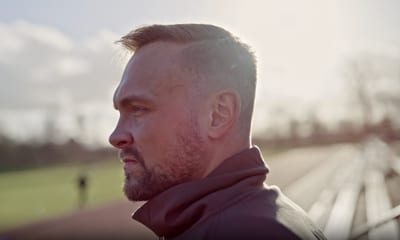
Daniel Jones is off to an impressive start as QB1 with the Indianapolis Colts in the 2025 season. An achievement that only a few individuals in The League can claim.
Maintaining peak performance week to week in the NFL is a daunting task. Football is a collision sport. Many of these impacts are violent and can result in physiological disruption and injury. Without a doubt, resilience is vital for continued success.
Resilience requires inflammation control.
Today, we examine the physiology behind the inflammatory response.
The Physiology in Action
Inflammation is a tightly controlled, complex, natural response to injury, infection, and stress. These events force the body outside homeostatic ranges, straining bodily functions, resulting in microdamage across working organ systems. The core physiology involves immune cell activation, vascular changes, and molecular signals that elicit cascades that work together to eliminate threats and initiate tissue repair.
The body first detects pathogens or tissue damage through special receptors and initiates inflammatory processes. Immune cells are sent to the damaged site or infection. These cells work to amplify and coordinate the response.
In an effort to restore the tissue, the body increases blood flow to the damaged area. This not only sends needed nutrients, but also sends multiple compounds that help repair damaged tissue, remove harmful stimuli and dead cells, and promote remodeling.
Metabolic processes also shift. Activated immune cells shift their metabolic processes with a greater reliance on glycolytic processes to meet the increased energy demands.
Once the threat is cleared, anti-inflammatory mediators help to decrease the inflammation and further the healing process.
Though this process is straightforward, there are multiple steps where it can break down, allowing the harmful effects of inflammation to remain, resulting in chronic inflammation.
Inflammation plays a dual role in performance. Short-term inflammation is essential for recovery and adaptation, but when it becomes chronic, it can hinder both physical and mental performance.
The Vitality Plan
Great achievement doesn’t happen by chance. Finding ways to support the physiology required to realize these feats is paramount.
Lifestyle: Sleep. Strive to get 8 to 10 hours of sleep for optimal recovery and adaptation. Sleep has been shown to reduce markers of inflammation. (source)
Supplement: Resveratrol. Supplement with at least 250 mg of resveratrol daily. Resveratrol has been shown to work through multiple mechanisms to help reduce inflammatory markers. (source)
Nutrition: Prioritize berries. Consume at least two cups of berries daily. Berries are packed with crucial compounds that play a vital role in combating inflammation. (source)
Be sure to check out the Vitality Performance Encyclopedia and the YouTube channel to learn more about ways to optimize performance. Subscribe for updates.
**This email does not denote any affiliation between the athlete and Vitality